In this article
- What is Machu Picchu and why is it worth visiting?
- Machu Picchu quick facts
- How do you get from Cusco to Machu Picchu?
- How do Machu Picchu tickets and circuits work?
- When is the best time to visit Machu Picchu?
- How do you avoid altitude sickness before visiting Machu Picchu?
- How many days do you need for Machu Picchu and Cusco?
- How much does a trip to Machu Picchu cost?
- What are the rules inside Machu Picchu?
- What should you pack for Machu Picchu?
- Should you visit Machu Picchu with a tour or on your own?
Key takeaways
- Take the train from Cusco or Ollantaytambo to Aguas Calientes, then the 25-minute bus to the citadel.
- Buy timed-entry tickets only at tuboleto.cultura.pe; Circuit 2 is best for a first visit.
- Dry season (May–September) has the best weather; book 1–3 months ahead.
- Acclimatise for two nights in the Sacred Valley or Cusco before hard activities.
- Plan at least four days in the Cusco region.
Quick facts
- Altitude
- 2,430 m (7,972 ft)
- Cusco altitude
- 3,399 m (11,152 ft)
- Train time from Ollantaytambo
- About 1.5 h to Aguas Calientes
- Bus to the citadel
- 25–30 min, about 8 km
- Daily capacity (2026)
- 4,500; 5,600 on high-season dates
- Official tickets
- tuboleto.cultura.pe
- Best season
- May to September (dry)
- UNESCO World Heritage
- Since 1983
To visit Machu Picchu from Cusco, take a train from Cusco (Poroy or San Pedro) or Ollantaytambo to Aguas Calientes, then the 25-minute bus up to the citadel. Book your timed entry ticket and circuit through the Ministry of Culture of Peru weeks ahead, and spend two days acclimatising in Cusco first. A full day trip is possible, but two days is more relaxed.
This guide brings together everything our team in Cusco explains to travellers every week: routes, tickets, seasons, altitude, budgets and the small details that make the difference on the day. Each section gives you the short answer first and links to a deeper article when you need more.
What is Machu Picchu and why is it worth visiting?
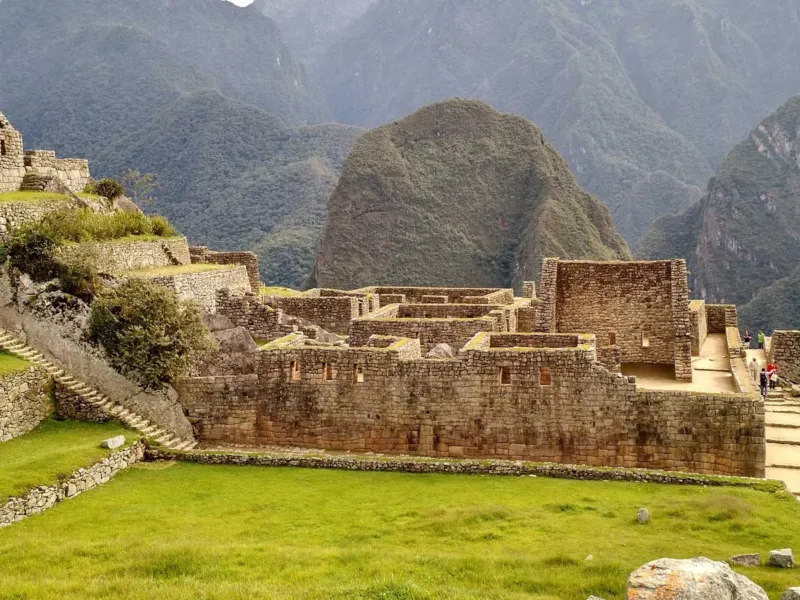
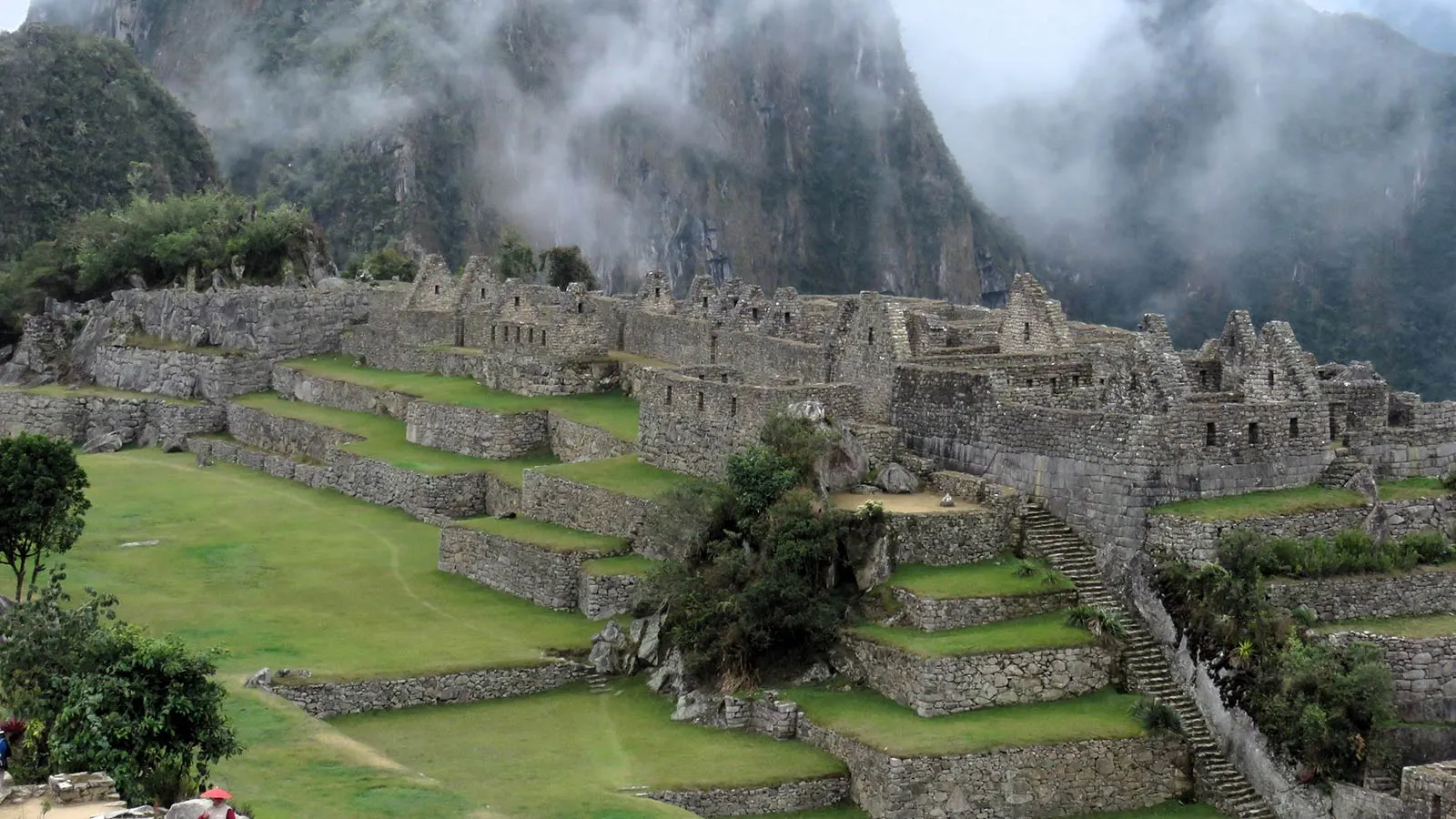
Machu Picchu is a 15th-century Inca citadel built around 1450 under the ruler Pachacuti, perched at 2,430 m (7,972 ft) on a ridge above the Urubamba River. It is a UNESCO World Heritage Site since 1983 and one of the New Seven Wonders of the World.
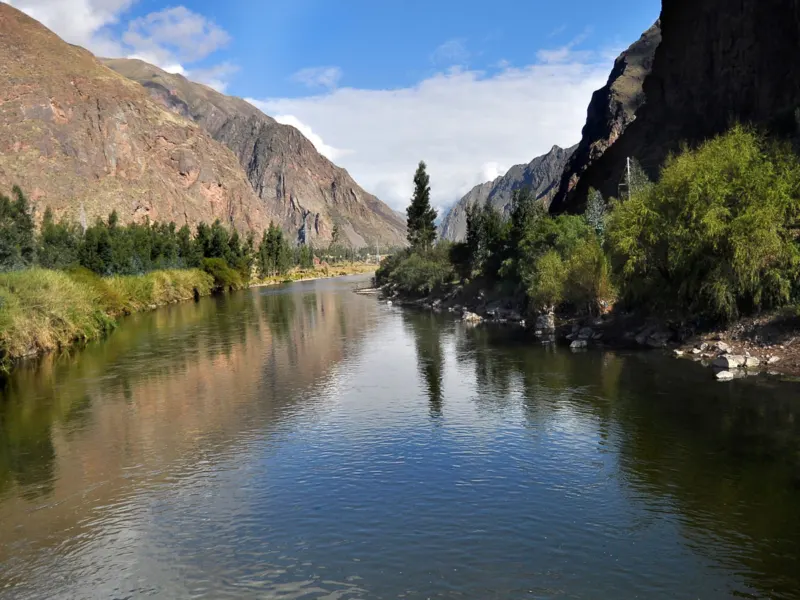
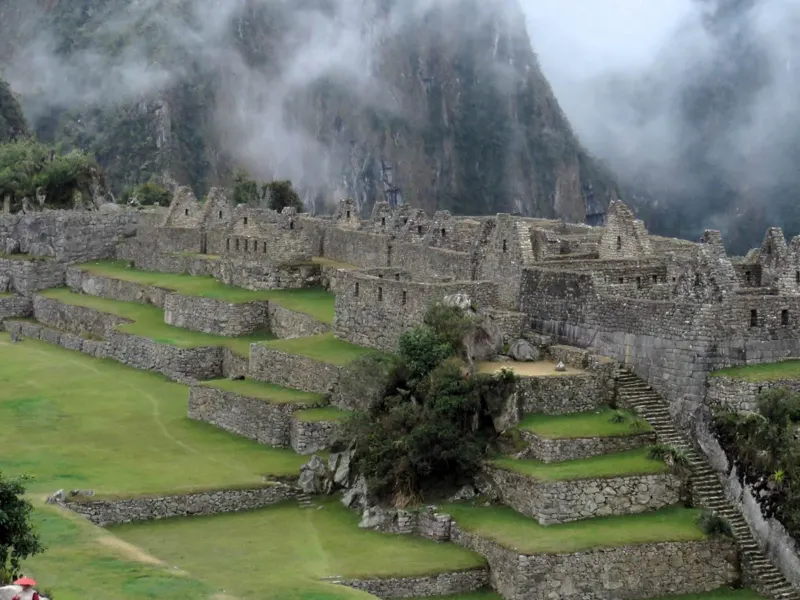
The site sits inside the Historic Sanctuary of Machu Picchu, a protected area of about 32,500 hectares managed by the Ministry of Culture of Peru together with SERNANP, Peru’s national protected areas service. Beyond the famous postcard view, you walk through temples, royal residences, agricultural terraces and water channels that still work after more than 500 years. Explorer Hiram Bingham brought it to international attention in 1911, but local farming families already knew the site well.
What surprises most of our travellers is the setting: cloud forest, orchids, hummingbirds and the sharp peak of Huayna Picchu rising behind the ruins. Pictures do not prepare you for the scale of the mountains around it.
Machu Picchu quick facts
- Altitude: 2,430 m (7,972 ft), lower than Cusco at 3,399 m (11,152 ft).
- Nearest town: Aguas Calientes (also called Machu Picchu Pueblo), 2,040 m (6,693 ft).
- Distance from Cusco: about 75 km in a straight line; 3.5 to 4 hours by train from the Cusco area.
- Daily capacity: 4,500 visitors per day, raised to 5,600 on high-season dates set by the Ministry of Culture.
- Typical visit length: 2.5 to 3 hours inside the citadel, more if you add a mountain hike.
How do you get from Cusco to Machu Picchu?
There is no road all the way to Machu Picchu, so most visitors take a train to Aguas Calientes and then the Consettur bus up to the entrance. The alternatives are hiking the Inca Trail or taking the budget route via Hidroeléctrica.
Trains are run by PeruRail and Inca Rail. From the Cusco area they leave from Poroy station (about 20 minutes from the city centre) or San Pedro, depending on the season; during the rainy months, service usually starts in Ollantaytambo instead, with a bus or bimodal transfer from Cusco. Ollantaytambo, in the Sacred Valley, is the main departure point all year: it is about 1.5 to 2 hours by road from Cusco and 1.5 hours by train from Aguas Calientes.
| Route | Total time from Cusco | Effort | Approx. cost (one way) | Best for |
|---|---|---|---|---|
| Train from Poroy/San Pedro | 3.5–4 h | Easy | From about USD 70–90 tourist class | Simple logistics, short stays |
| Road to Ollantaytambo + train | 3–3.5 h | Easy | From about USD 60–80 tourist class plus transfer | Combining with the Sacred Valley |
| Classic Inca Trail | 4 days / 3 nights | Hard (42 km / 26 mi, pass at 4,215 m / 13,829 ft) | Permit-based package; varies by operator | Fit hikers who book months ahead |
| Short Inca Trail (km 104) | 1 day | Moderate (about 12 km / 7.5 mi) | Permit-based package | A taste of the trail without camping |
| Van to Hidroeléctrica + walk | 6–7 h van + 2.5–3 h walk | Moderate (about 11 km / 7 mi on flat ground) | Lowest cost | Backpackers with extra time |
Train fares change by season, schedule and class (from tourist classes such as Expedition or Voyager up to the luxury Hiram Bingham), so always check the current price on the official PeruRail or Inca Rail websites. The Consettur shuttle between Aguas Calientes and the citadel costs roughly USD 12 each way for foreign visitors and takes 25 to 30 minutes on an 8 km (5 mi) zigzag road. Walking up instead takes 1 to 1.5 hours of steep stone steps.
For a detailed comparison with schedules, luggage limits and a step-by-step plan, read our guide on how to get from Cusco to Machu Picchu.
How do Machu Picchu tickets and circuits work?
Every ticket is tied to a date, an entry time and a fixed one-way circuit, and they are sold officially only on the Ministry of Culture platform, tuboleto.cultura.pe. You choose one of three circuits, each split into specific routes, and you cannot switch once inside.
- Circuit 1 (Panoramic): the upper terraces with the classic postcard view, plus routes to Machu Picchu Mountain, the Sun Gate (Intipunku) or the Inca Bridge depending on the route and season.
- Circuit 2 (Classic): the most complete walk through the urban sector, including views from the upper area and the main temples. The best choice for a first visit.
- Circuit 3 (Royalty): focuses on the royal and lower sectors, and includes the routes that climb Huayna Picchu, the Great Cavern or Huchuy Picchu.
For 2026, the Ministry of Culture keeps a cap of 4,500 visitors per day, raised to 5,600 on high-season dates (roughly late June to early November and key holidays). The general ticket for a foreign adult costs approximately S/150 or more, and mountain routes such as Huayna Picchu or Machu Picchu Mountain cost extra. Prices are reviewed every year, so confirm the current rate on the official site before you budget.
Our practical tip: in June, July and August, Circuit 2 and Huayna Picchu often sell out one to three months ahead. Bring the same original passport you used to buy the ticket, because staff check it at the gate. Our full explainer on Machu Picchu tickets and circuits covers each route, the mountain hikes and how to book step by step.
When is the best time to visit Machu Picchu?
The best time for most travellers is the dry season from May to September, with clear mornings and almost no rain. April, October and early November are excellent shoulder months with fewer visitors and greener landscapes.
The rainy season runs roughly from November to March, with the heaviest rain in January and February. The Inca Trail closes every February for maintenance, and landslides occasionally affect the railway. Rain does not make a visit impossible: the citadel is often wrapped in mist early, which clears by mid-morning and creates some of the most atmospheric views of the year.
- Peak crowds: late June to August, especially around Inti Raymi on 24 June in Cusco.
- Coolest nights: June and July, when Cusco can drop close to 0 °C (32 °F) at night.
- Greenest landscapes: December to April.
Our month-by-month breakdown of weather, festivals and crowds is in the best time to visit Machu Picchu and Cusco.
How do you avoid altitude sickness before visiting Machu Picchu?
Spend at least two nights at altitude before any demanding activity, ideally sleeping in the Sacred Valley (about 2,800 m / 9,200 ft) on arrival and moving up to Cusco later. Machu Picchu itself is lower than Cusco, so the risk is greater in the city and on high-altitude day trips.
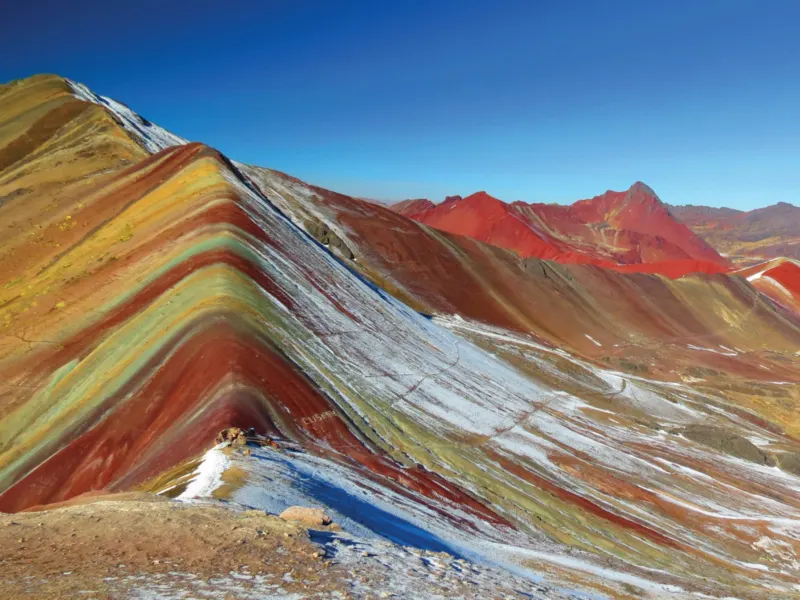
Most visitors notice headaches, shortness of breath or poor sleep on their first day in Cusco at 3,399 m (11,152 ft). Our guides always recommend walking slowly, drinking plenty of water, eating light meals and avoiding alcohol for the first 24 to 48 hours. Coca tea is a local tradition and many travellers find it helpful. If you have a heart or lung condition, or if you plan to visit Rainbow Mountain at 5,036 m (16,522 ft), talk to your doctor about medication before you travel.
A smart sequence is Sacred Valley first, Machu Picchu second, and the highest excursions such as Rainbow Mountain or Humantay Lake at the end of the trip. Read our complete guide to altitude sickness in Cusco for symptoms, prevention and warning signs.
How many days do you need for Machu Picchu and Cusco?
Plan a minimum of four days in the Cusco region: two to acclimatise and see Cusco and the Sacred Valley, and one or two for Machu Picchu. Five days or more lets you add a high-altitude excursion without rushing.
- Day 1: Arrive in Cusco, rest and take an easy afternoon Cusco City Tour (Qorikancha, Sacsayhuamán and nearby sites).
- Day 2: Visit Pisac, Ollantaytambo and the Inca terraces on a Sacred Valley Full Day tour, ideally ending near the train station.
- Day 3: Train to Aguas Calientes and visit Machu Picchu with an official guide.
- Day 4: Return to Cusco, or continue with an excursion such as Humantay Lake.
Short on time? Our Machu Picchu Full Day tour (USD 350 per person) handles trains, bus, ticket and guide in one long day from Cusco. If you prefer everything organised, the Sacred Valley & Machu Picchu 4D/3N package (USD 490) follows the acclimatisation-friendly order above, and the 5D/4N version with Rainbow Mountain (USD 650) adds the famous Vinicunca hike.
How much does a trip to Machu Picchu cost?
A basic independent visit from Cusco costs roughly USD 200 to 300 per person for train, bus and ticket alone, before guide, meals and hotels. Organised tours bundle these costs and add logistics, a guide and backup if trains change schedule.
| Item | Approximate cost per person | Notes |
|---|---|---|
| Entry ticket (foreign adult) | From about S/150 (circuits); more with mountains | Official price on tuboleto.cultura.pe; reviewed yearly |
| Round-trip tourist train | From about USD 120–180 | Varies by season, time and class |
| Consettur bus (round trip) | About USD 24 | Can be paid in Aguas Calientes or in advance |
| Official guide | Varies (private or shared) | Required by site regulations |
| Night in Aguas Calientes | From about USD 40 (budget) to USD 500+ (luxury) | Book early in high season |
These figures are approximate and change frequently, so treat them as a planning range. You can check how to pay for our tours on our payment options page.
What are the rules inside Machu Picchu?
You must enter at the time printed on your ticket, carry your original passport, follow your circuit in one direction and visit with a licensed guide. Large backpacks, food, drones and single-use plastics are not allowed.
- Bags must be small (about 40 × 35 × 20 cm); larger luggage can be left in storage at the entrance.
- Walking poles are only permitted with rubber tips, mainly for older travellers or people with mobility needs.
- The only toilets are outside the entrance, so use them before you go in.
- Re-entry is very limited, and circuits are one-way with control points.
- Do not touch, climb or lean on Inca walls, and keep to the marked paths.
Rules are set by the Ministry of Culture and are updated from time to time. Our guides brief every group the evening before so there are no surprises at the gate.
What should you pack for Machu Picchu?
Pack light layers, a waterproof jacket, sunscreen, insect repellent and comfortable shoes with good grip. Weather can change from cold mist to strong sun within an hour.
- Original passport (and student card if you bought a student ticket).
- Rain jacket or poncho, even in the dry season.
- High-SPF sunscreen, hat and sunglasses: UV is intense at this altitude.
- Insect repellent for the sandflies around Aguas Calientes.
- Reusable water bottle and some cash in soles for the bus, toilets and snacks.
Should you visit Machu Picchu with a tour or on your own?
Both are possible. Independent travel suits people who enjoy handling bookings, while a local tour saves time and stress in high season and protects you if trains or circuits change at the last minute.
After years of guiding in the region, we see the same problems again and again: tickets bought for the wrong circuit, trains that arrive after the entry time, or travellers who go to Machu Picchu on their first day and feel the altitude badly. A local operator coordinates all of this, with guides who were born in Cusco and know the stories behind every stone. Many guests also add a high-altitude excursion like Humantay Lake once they are well acclimatised.
Our guides’ favourite tip: book an early entry slot, then sit for ten minutes on the upper terraces before starting the circuit. The light changes fast, and that quiet moment is what most people remember.
Have questions about your dates, tickets or the best itinerary for your group? Check our frequently asked questions or contact our team in Cusco and we will help you plan your visit to Machu Picchu step by step.
Frequently asked questions
How far in advance should I book Machu Picchu tickets?
For June, July and August, book one to three months ahead, especially for Circuit 2 and Huayna Picchu, which sell out first. In the rainy season a few weeks is often enough. Tickets are sold officially only on tuboleto.cultura.pe, the Ministry of Culture platform, and each one is tied to a date, entry time and circuit.
Can I visit Machu Picchu in one day from Cusco?
Yes. A full day trip leaves Cusco very early, takes the train to Aguas Calientes, visits the citadel with a guide and returns at night, about 14 to 16 hours in total. It works well if your time is short, but staying one night in Aguas Calientes or the Sacred Valley is more relaxed.
Do I need a guide to enter Machu Picchu?
Official regulations from Peru's Ministry of Culture require visitors to enter with a licensed guide, and groups have a maximum size. In practice, a guide also helps you follow the correct one-way circuit and explains the temples, terraces and water systems you would otherwise miss. You can hire one at the entrance or book with a tour.
Is Machu Picchu higher than Cusco?
No. Machu Picchu sits at 2,430 m (7,972 ft), almost 1,000 m lower than Cusco at 3,399 m (11,152 ft). Most altitude symptoms appear in Cusco or on high excursions such as Rainbow Mountain at 5,036 m (16,522 ft), so acclimatise in the Sacred Valley or Cusco first and the citadel itself will feel easy.
Which Machu Picchu circuit is best for a first visit?
Circuit 2 (Classic) is the best choice for most first-time visitors, because it covers the main urban sector, the principal temples and good views from the upper area. Choose Circuit 1 if your priority is the postcard photo or Machu Picchu Mountain, and Circuit 3 if you want to climb Huayna Picchu.

Peruvianpath
Part of the Peruvian Path team in Cusco. We share first-hand knowledge from years guiding travelers across the Andes.