In this article
- What is altitude sickness and who gets it?
- How high are Cusco, Machu Picchu and Rainbow Mountain?
- How to prevent altitude sickness in Cusco, step by step
- Which itinerary order works best for acclimatization?
- When are you ready for Rainbow Mountain, Palccoyo or Humantay?
- Rainbow Mountain (Vinicunca)
- Palccoyo, the gentler alternative
- Humantay Lake
- Does coca tea or medication help with altitude sickness?
- What are the warning signs and when should you go down?
- Who should see a doctor before traveling to Cusco?
- Plan your trip with local experts
Part of the guide: Machu Picchu Travel Guide: How to Visit from Cusco
Key takeaways
- Cusco is about 3,400 m (11,150 ft); Machu Picchu is lower at 2,430 m and Rainbow Mountain far higher at about 5,000 m.
- Sleep your first one or two nights in the Sacred Valley (about 2,800–2,900 m), then Machu Picchu, then Cusco.
- Avoid alcohol and hard exertion for the first 48 hours, drink water and eat light.
- Leave Rainbow Mountain, Palccoyo or Humantay for after two or three nights at altitude.
- Ask a doctor before taking any medication; descend and seek help if symptoms worsen.
Quick facts
- Cusco altitude
- approx. 3,400 m (11,150 ft)
- Machu Picchu altitude
- 2,430 m (7,970 ft)
- Sacred Valley (Urubamba)
- approx. 2,870 m (9,420 ft)
- Rainbow Mountain (Vinicunca)
- approx. 5,000 m (16,400 ft)
- Humantay Lake
- approx. 4,200 m (13,780 ft)
- Symptoms usually start
- 2–12 hours after arrival
- No alcohol
- first 48 hours
- Best treatment if worse
- descend at least 300 m (1,000 ft)
To prevent altitude sickness in Cusco, ascend gradually: sleep your first nights in the Sacred Valley (about 2,800–2,900 m / 9,200–9,500 ft), take day one in Cusco easy, drink water, skip alcohol for 48 hours, and leave Rainbow Mountain (about 5,000 m) for last. Ask a doctor about medication before flying.
Cusco sits at roughly 3,400 m (11,150 ft), and most travelers fly in from sea level in about an hour. That sudden jump is exactly what triggers soroche, the local name for altitude sickness. Our guides in Cusco see it every week, and the good news is that a smart itinerary prevents most cases. This guide explains how, step by step, and is part of our complete Machu Picchu travel guide.
What is altitude sickness and who gets it?
Altitude sickness, or acute mountain sickness (AMS), is your body reacting to lower oxygen pressure at elevation. According to the CDC Yellow Book, any unacclimatized traveler who sleeps above about 2,450 m (8,000 ft) is at risk, and rates can approach 50% after flying directly to above 3,400 m.
Fitness does not protect you. We regularly see marathon runners struggle on day one while relaxed travelers feel fine. The main risk factors are:
- Speed of ascent: flying from Lima (sea level) straight to Cusco.
- Sleeping altitude: where you sleep matters more than how high you walk during the day.
- Previous history: if you had altitude sickness before, you are more likely to get it again.
- Exertion on arrival: heavy walking, stairs and alcohol in the first 24–48 hours.
Typical symptoms appear 2–12 hours after arrival, often after the first night: headache plus fatigue, dizziness, nausea, poor appetite or bad sleep. It feels a lot like a hangover. Mild AMS usually settles within 12–48 hours if you do not go higher.
How high are Cusco, Machu Picchu and Rainbow Mountain?
Machu Picchu is actually lower than Cusco, while Rainbow Mountain is far higher. Knowing each altitude is the key to ordering your days correctly.
| Place | Approx. altitude | Altitude risk | Acclimatization tip |
|---|---|---|---|
| Aguas Calientes (Machu Picchu Pueblo) | 2,040 m / 6,690 ft | Low | Good place to rest and sleep well |
| Machu Picchu citadel | 2,430 m / 7,970 ft | Low | Comfortable for most visitors |
| Ollantaytambo | 2,790 m / 9,160 ft | Low–moderate | Ideal first night after landing |
| Urubamba / Sacred Valley | 2,870 m / 9,420 ft | Low–moderate | Ideal first night after landing |
| Cusco city | 3,400 m / 11,150 ft | Moderate–high | Take it easy for the first 24–48 h |
| Humantay Lake | 4,200 m / 13,780 ft | High | Do it after 2–3 nights at altitude |
| Palccoyo rainbow mountains | approx. 4,900 m / 16,000 ft | High | Shorter walk, gentler alternative |
| Vinicunca (Rainbow Mountain) | approx. 5,000 m / 16,400 ft | Very high | Leave it for the last days of your trip |
Figures are rounded; published altitudes vary slightly by source and measuring point.
How to prevent altitude sickness in Cusco, step by step
The single most effective measure is gradual ascent. The CDC suggests travelers to Cusco may sleep one or two nights lower before going up, and that is exactly what we recommend.
- Talk to a doctor 4–6 weeks before your trip. Mention your itinerary, any heart, lung or blood conditions, pregnancy and current medications. Only a doctor can tell you whether preventive medication is right for you.
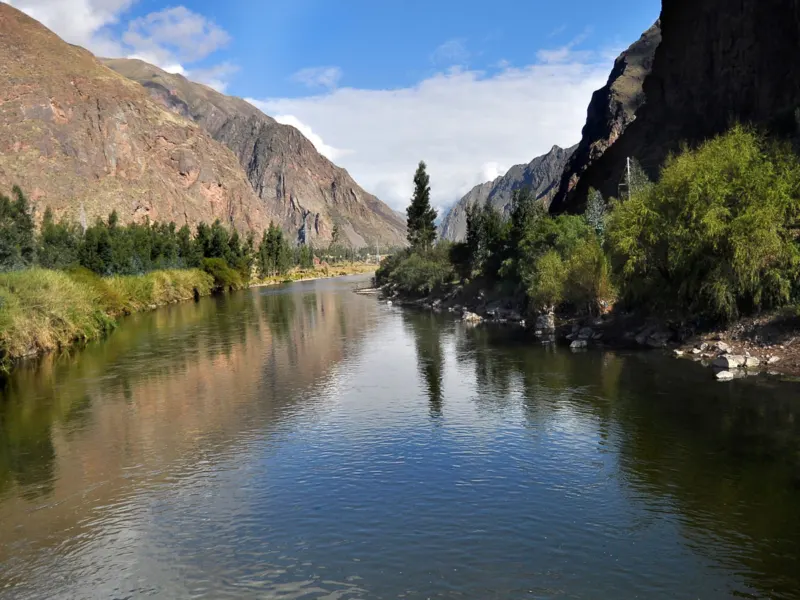
- Go down to the Sacred Valley on arrival. From Cusco airport, transfer straight to Urubamba or Ollantaytambo (about 1.5–2 hours by road) and sleep there one or two nights. You sleep roughly 500 m lower than in Cusco.
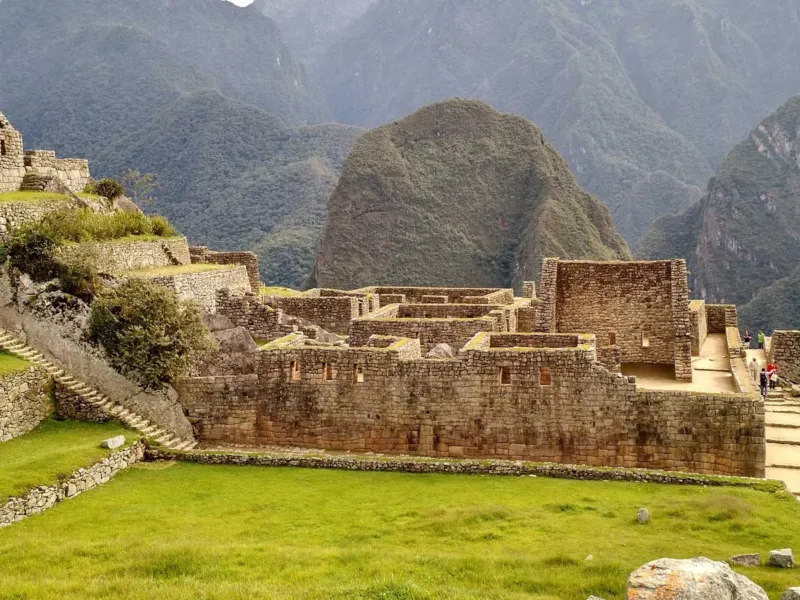
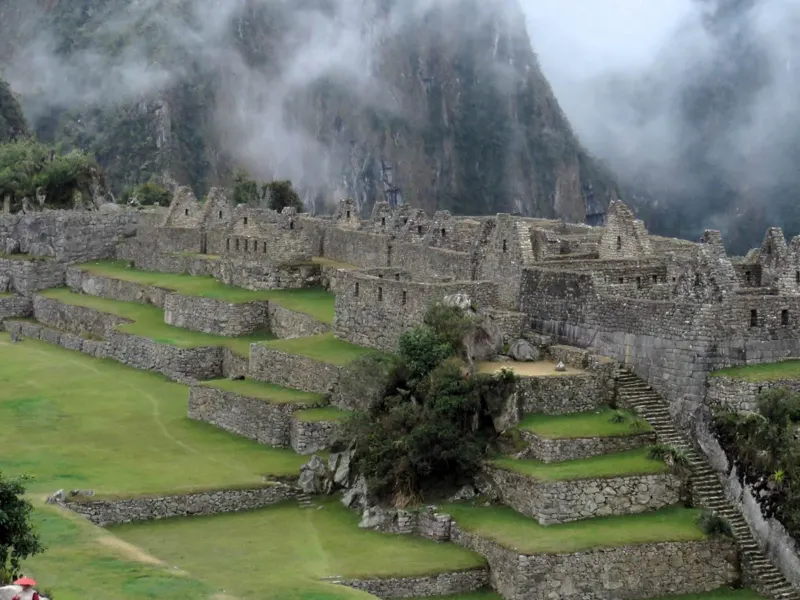
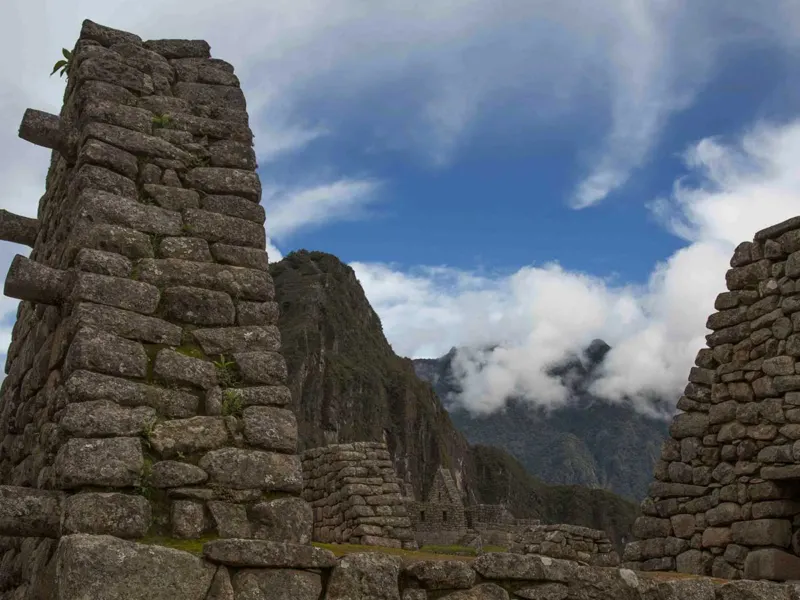
- Visit Machu Picchu next. At 2,430 m it is lower than Cusco, so it fits perfectly into your acclimatization. See how to get from Cusco to Machu Picchu by train from Ollantaytambo.
- Sleep in Cusco afterwards. By now your body has had several days above 2,000 m, and the city feels much easier.
- Keep day one in Cusco gentle. Walk slowly, avoid the steep San Blas stairs with luggage, and choose a relaxed activity such as a short city walk or museum visit rather than a long hike.
- Hydrate and eat light. Drink water regularly, favor carbohydrates and small meals, and avoid heavy dinners the first night.
- No alcohol for the first 48 hours. The CDC and NHS both advise against it; it worsens dehydration and sleep and can mask symptoms. The pisco sour can wait.
- Do high hikes last. Schedule Humantay, Palccoyo or Rainbow Mountain only after at least two or three nights at Cusco’s altitude.
Which itinerary order works best for acclimatization?
The best order is low to high: Sacred Valley, Machu Picchu, Cusco, then high-altitude day trips. Many travelers do the reverse and spend their first day fighting a headache.
Here is the sequence our team uses for most guests:
- Day 1: Land in Cusco and go directly to the Sacred Valley. Rest.
- Day 2: Sacred Valley Full Day (Pisac, Ollantaytambo), sleeping in the valley or in Aguas Calientes.
- Day 3: Machu Picchu, then return to Cusco by train and bus.
- Day 4: Cusco at an easy pace: museums, San Pedro market, a short walk.
- Day 5: Rainbow Mountain, Palccoyo or Humantay Lake.
Our Sacred Valley, Machu Picchu & Rainbow Mountain 5D/4N package (from USD 650 per person) follows exactly this logic. If you are travelling in the rainy months, also check the best time to visit Machu Picchu and Cusco, because cold and wet weather on high passes adds strain.
When are you ready for Rainbow Mountain, Palccoyo or Humantay?
You are usually ready after two or three nights at 2,800–3,400 m with no headache, normal sleep and normal appetite. If you still have symptoms, postpone the hike; do not go higher while unwell.
Rainbow Mountain (Vinicunca)
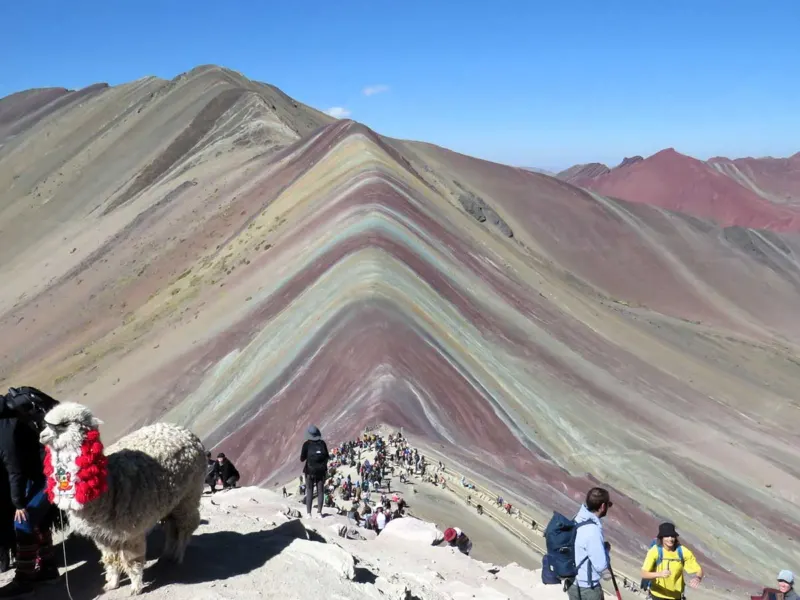
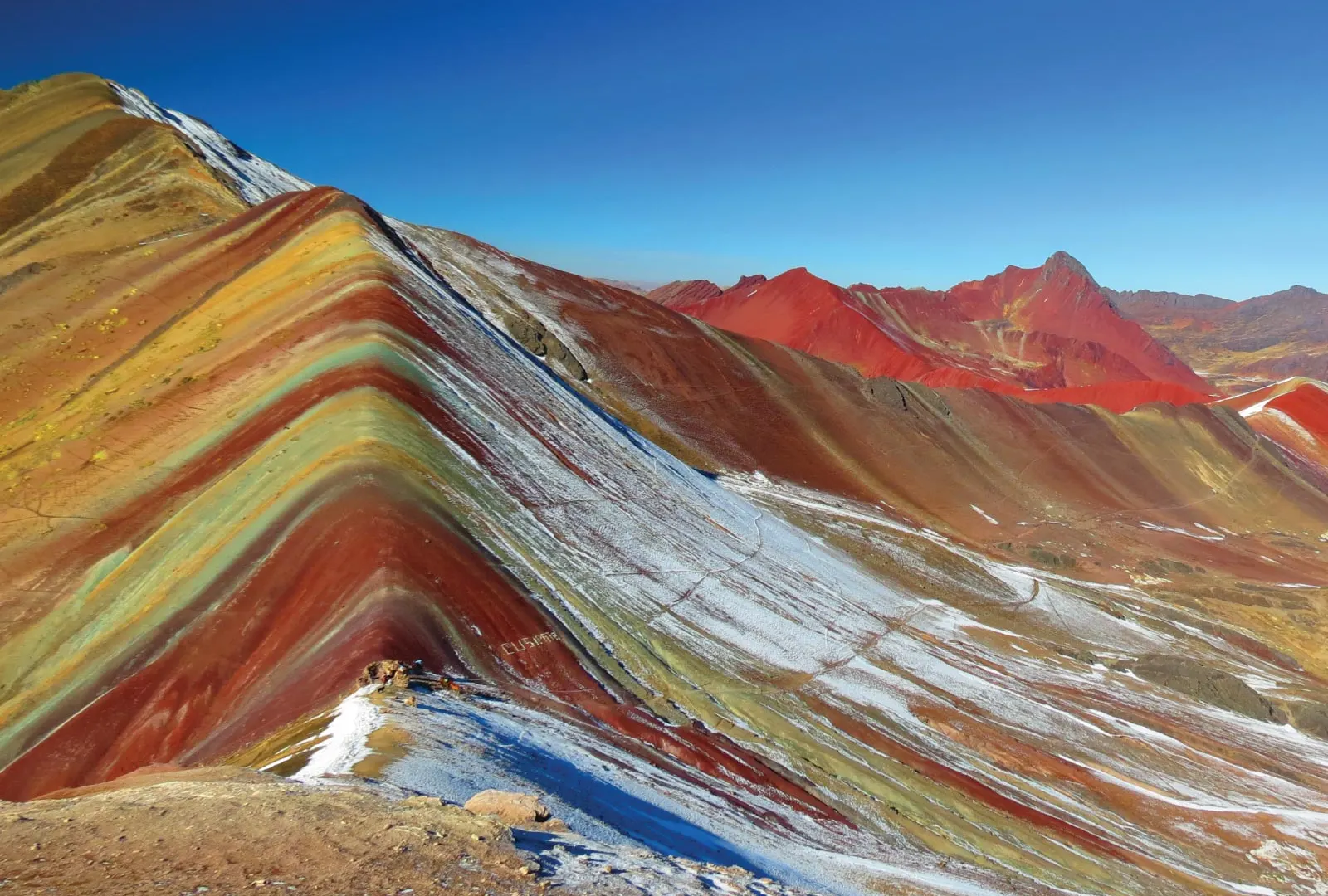
The viewpoint sits at around 5,000 m, and the walk from the trailhead usually takes 1.5–2 hours uphill each way. It is the most demanding day trip from Cusco. Our Rainbow Mountain Full Day tour (USD 145) leaves before dawn, and our guides carry oxygen and a first-aid kit. Horses can be hired locally for part of the ascent.
Palccoyo, the gentler alternative
Palccoyo reaches a similar altitude, but the walk is shorter and less steep, roughly 1 hour. It suits travelers with less time to acclimatize or who prefer fewer crowds. See our Palccoyo Full Day tour (USD 145).
Humantay Lake
At about 4,200 m, Humantay Lake is a good “test” hike before Rainbow Mountain. The climb from Soraypampa takes about 1.5 hours. Book the Humantay Lake Full Day tour (USD 140).
Does coca tea or medication help with altitude sickness?
Coca tea is a traditional Andean remedy, but there is little solid scientific evidence that it prevents altitude sickness. Prescription medication can help some travelers, but only after a doctor’s assessment.
- Coca tea (mate de coca): legal and offered in most Cusco hotels. Many visitors find it comforting, and it adds fluids. Be aware that coca can show up in drug tests and that taking coca leaves out of Peru is illegal in many countries.
- Prescription medication: the CDC Yellow Book describes acetazolamide as an option to prevent AMS and speed acclimatization for medium- and high-risk travelers. It has side effects and contraindications, so do not self-medicate; ask your doctor whether it suits you and how to take it.
- Painkillers: may ease a mild headache, but they do not treat the cause. Check with a doctor or pharmacist first, especially if you take other medicines.
- Oxygen: many hotels and our tour vehicles have it for temporary relief. It is helpful, but it does not replace acclimatization or descent.
What are the warning signs and when should you go down?
Descend and seek medical help immediately if symptoms get worse despite rest, or if you notice confusion, loss of balance, or breathlessness at rest. These can signal rare but serious conditions.
- HACE (high-altitude cerebral edema): confusion, drowsiness, stumbling or loss of coordination, severe headache that does not respond to rest.
- HAPE (high-altitude pulmonary edema): breathlessness at rest, persistent cough, chest tightness, unusual fatigue, sometimes pink or bloody sputum.
According to the CDC, descending even 300 m (about 1,000 ft) often brings rapid improvement, and descent is the most effective treatment. In Cusco, that may mean heading down to the Sacred Valley and seeing a doctor; on a tour, tell your guide at the first sign of trouble. Our guides are trained to turn back early: no viewpoint is worth the risk.
Who should see a doctor before traveling to Cusco?
Everyone benefits from a pre-travel consultation, but it is essential for some travelers. Book one if you:
- Have heart or lung disease, high blood pressure, anemia or sickle-cell conditions.
- Are pregnant, or travelling with babies or young children.
- Have had altitude sickness before.
- Take regular medication, including sleeping pills.
Also make sure your travel insurance covers activities up to 5,000 m and medical evacuation.
Plan your trip with local experts
Altitude should not stop you from enjoying Cusco, Machu Picchu and Rainbow Mountain. Plan from low to high, listen to your body and leave the hardest hike for last. If you want help building an itinerary that respects acclimatization, contact our team in Cusco and we will design it with you.
This article is general travel information, not medical advice. Always consult a qualified doctor about your personal health before travelling to high altitude.
Frequently asked questions
How long does it take to acclimatize to Cusco?
Most travelers feel noticeably better after 24 to 48 hours, and mild altitude sickness usually resolves within 12 to 48 hours if you do not go higher. For demanding hikes such as Rainbow Mountain, we recommend at least two or three nights between the Sacred Valley and Cusco first. Everyone is different, so listen to your body and do not ascend while you still have symptoms.
Is Machu Picchu higher than Cusco?
No. Machu Picchu sits at about 2,430 m (7,970 ft), nearly 1,000 m lower than Cusco at about 3,400 m (11,150 ft). Aguas Calientes, the town below the ruins, is even lower at about 2,040 m. That is why visiting the Sacred Valley and Machu Picchu before spending nights in Cusco is an excellent acclimatization strategy.
Does coca tea prevent altitude sickness?
Coca tea is a traditional Andean drink offered in most Cusco hotels, and many visitors find it soothing. However, there is little solid scientific evidence that it prevents altitude sickness. Gradual ascent remains the most effective prevention. Note that coca can appear in drug tests, and carrying coca leaves out of Peru is illegal in many countries.
Should I take medication for altitude sickness in Peru?
Some travelers benefit from prescription medication such as acetazolamide, which the CDC describes for medium- and high-risk travelers. It is not suitable for everyone and has side effects and contraindications. Consult a doctor four to six weeks before your trip to decide whether you need it and how to take it. Never self-medicate based on online advice.
When can I do Rainbow Mountain after arriving in Cusco?
Ideally after two or three nights at altitude, once you have no headache and are sleeping and eating normally. Rainbow Mountain's viewpoint is around 5,000 m (16,400 ft), so it is best placed at the end of your trip. If you have less time, Palccoyo offers similar views with a shorter, gentler walk of about one hour.

Peruvianpath
Part of the Peruvian Path team in Cusco. We share first-hand knowledge from years guiding travelers across the Andes.